

AI Pilots Stall on Staffing. Hiring the Production Team Early Gets Them Shipped.
Companies name the skills gap as AI’s biggest barrier. The fix is hiring the data, MLOps and evaluation engineers production needs.
AI adoption, enterprise software, and the technology decisions shaping modern operations.
Companies name the skills gap as AI’s biggest barrier. The fix is hiring the data, MLOps and evaluation engineers production needs.
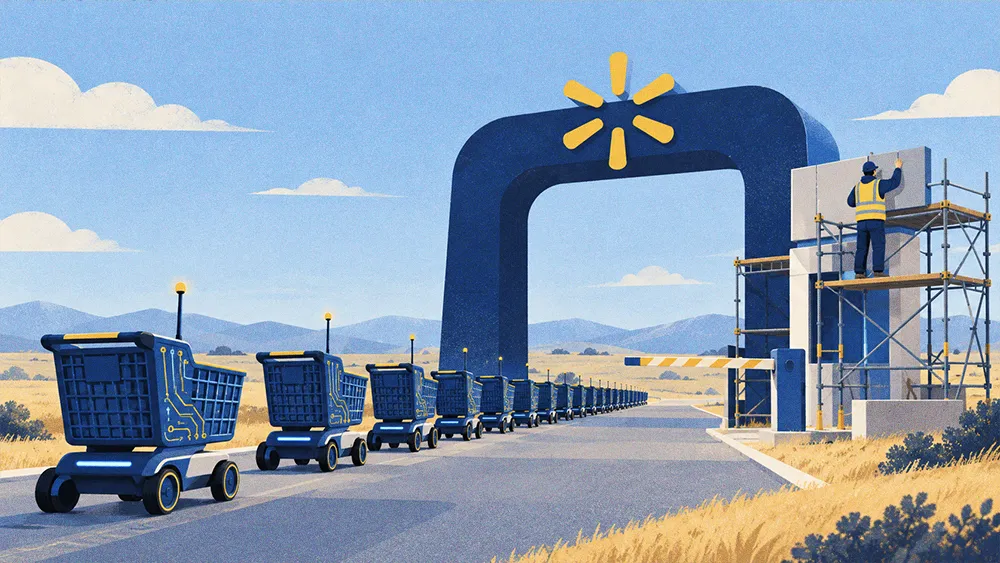
AI agents now shop on customers' authority. Winning them takes credible product information, an agent-friendly checkout process, and controls that keep them in bounds.

Ad tech's first AI hire should be a data engineer.
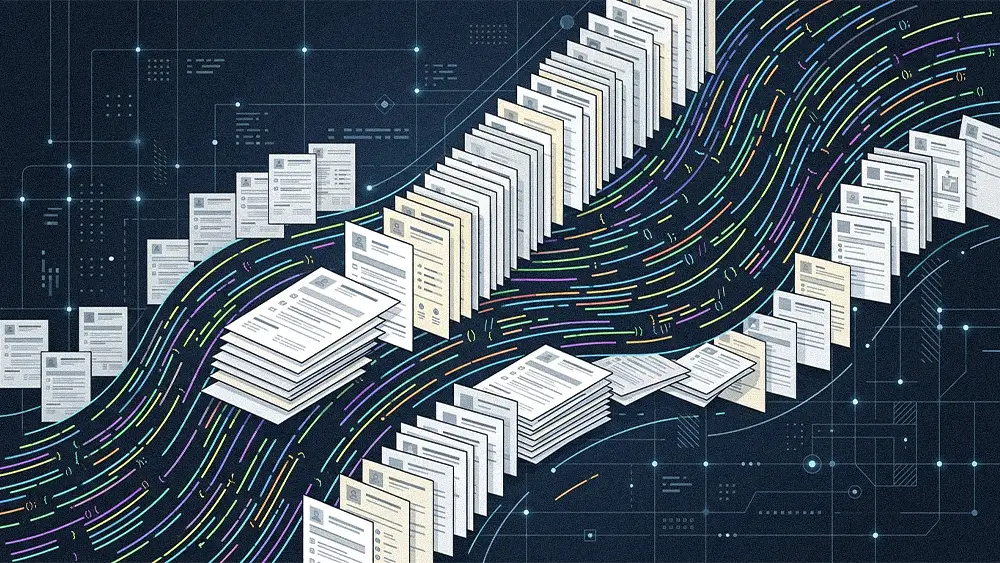
VGAI Solutions Global HR Director Keith Clement on how AI reshapes recruiting, how to train early-career talent, and the human judgment automation can't replace.

SiiRA CEO Wael Sabra on how AI is pushing toward a global talent market where skills are priced, traded, and valued in real time.

As the total cost of AI climbs, SiiRA founder and CEO Wael Sabra says human judgment is the advantage worth paying for.

Ken Finneran, Chief Administrative Officer at Brightstar.AI, explains why AI displaces tasks instead of jobs, and what that changes about hiring early-career talent.

NEAR Protocol's Joseph Spano says AI's productivity gains are eroding the pipeline that turns junior developers into senior ones.

Monia Smith, Senior Talent Acquisition Partner at NCR Atleos, shares why an entry-level role is won or lost in the conversation before the search.

Ceara Lane MZ, EVP of Operations and People at Law & Crime and Court TV, on closing the gap between company payoff and personal cost when rolling out new technology.

Brendan Rodgers, Founder of Thread & Stack, rejected 400 of more than 600 claims his AI tools held about him, a record employees have no process for correcting.
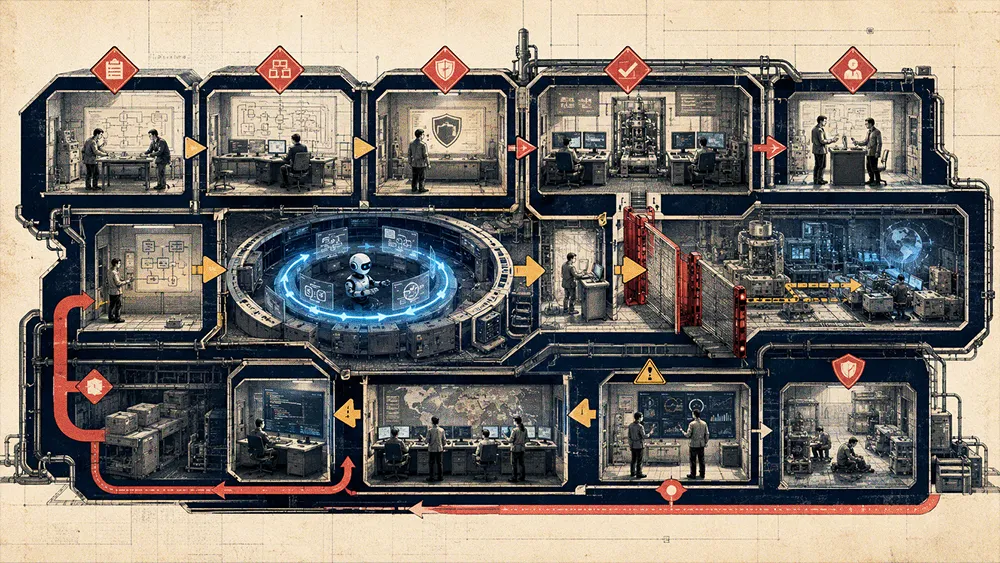
A coding loop can build the prototype. It can also approve its own mistakes and run up the bill while nobody’s watching.

The AI coding story is usually told as a speed story. The bigger change is economic: once writing software gets cheap, judgment, architecture, and alignment become the real constraints.

When an autonomous agent turns in weak work, the reflex is to fault the model. The problem often sits upstream in the human’s acceptance criteria, making the ability to define outcomes without prescribing steps increasingly scarce.
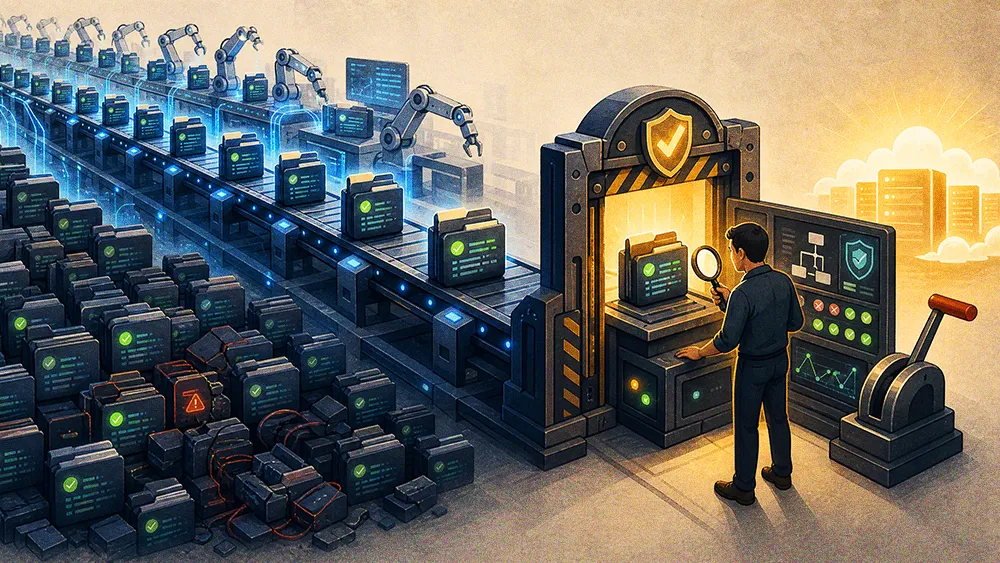
Finished-looking code is flooding review queues, raising the value of experienced engineers who can catch regressions, build meaningful evals, and own the outcome.

Any team can watch an agent work. Far fewer can prove the result is any good.

The companies with the biggest salary budgets report the worst shortages, and the same AI skills are far harder to hire in Germany than in China.

AI agents take over the routine HR work, and the job left behind is supervising them, which almost no HR team is trained or staffed to do.

Human review is the safeguard written into every major AI hiring law. The largest study yet found reviewers adopt the machine's bias instead of catching it.

Postings for AI and machine-learning roles jumped 163% in a year. The pipeline of qualified candidates didn't grow at all—and the companies winning the race have stopped writing bigger checks for a profile that barely exists.