


It's not necessarily having a Hispanic person participate. It's understanding that there are things that need to be considered differently.
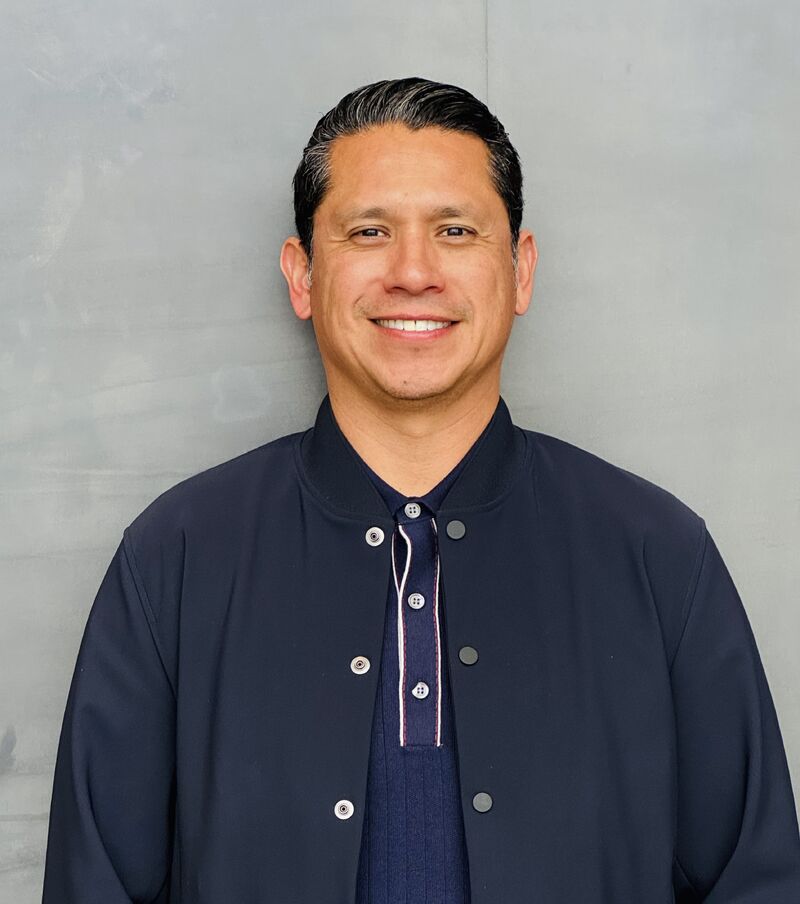 Alex LozaVP of Enterprise, Telecom, and Tech, TelevisaUnivision
Hiring for a Spanish-language media company calls for a level of nuance that isn't required when hiring for a general-market one. The audience isn't merely a translated version of the mainstream market, and a campaign that lands with it rarely does so by accident. When the entire value a company offers advertisers is the ability to reach Hispanic audiences well, the cultural read of the people planning, researching, and creating the work stops being a soft quality and becomes the central hiring question.
For Alex Loza, it's the first thing he screens for and the hardest thing to add to a team after the fact. Loza is VP of Enterprise, Telecom, and Tech at TelevisaUnivision, the world's leading Spanish-language media and content company. He runs client strategy for telecom and technology advertisers, among the most demanding and highest-spending categories in the market, and he assembles the cross-functional teams of strategists, researchers, and creatives who deliver those campaigns. Because reaching Hispanic audiences at scale is the company's core franchise, the cultural fluency of the people on those teams is a direct business concern, which shapes who Loza looks for and how he knows when he's found them.
"It's understanding the culture, and understanding that not all media is equal and not all creative or ideas are going to perform," Loza says. "There needs to be that cultural overlay in everything that we do."
What the team actually looks like
A single enterprise campaign doesn't run on a lead and a few generalists. Loza describes a layered group where specialized functions are permanent fixtures rather than borrowed help, and the headcount reflects it.
"We have the main lead, which is myself for the category, then a supporting team on the operational side, logistics, anything to do with research," Loza shares. "We have a research division that is fully baked into who we are, because we're a leader in the market when it comes to the Hispanic consumer base. Then a content studio, if somebody wants help building out an ad."
On average, he says, a single brand or campaign has between 10 and 15 people working on it. The research and insight functions aren't outsourced because the audience expertise is the product clients come for. "A lot of our brands lean into us for that expertise, whether through research and insights, nuances about the audiences, or some of the creative opportunities that should be considered," Loza says. Staffing the team is the same decision as protecting what the business sells, which raises the stakes on every hire into those functions.
Hiring for a way of thinking across generations
The instinct Loza screens for is easy to describe incorrectly. It goes beyond demographic representation on the team. It's a habit of mind that refuses the default version of an idea. "It's not necessarily having a Hispanic person participate. It's understanding that there are things that need to be considered differently. I'm looking for specific skill sets that can think differently than just putting a very traditional idea together," Loza explains.
That trait is hard to name on a job description, which is part of why Loza treats it as the threshold rather than a bonus. A candidate who produces competent, conventional work is not the same hire as one who can see why the conventional version will underperform with a specific audience. The read he wants is also not a single sensibility, because his teams market across age groups for brands that are usually chasing the youngest end of the market.
"Everybody has the pulse on the culture side: what's cool, what's not, what's happening, what's relevant. Understanding that across different generations is also a huge priority." Keeping that range current is its own pressure in a market that shifts quickly, and the staying power of a team comes from people who track what's relevant now rather than what worked last cycle.
Where the talent comes from and why it can't be bolted on
Because the skill is specialized, the pipeline is narrow, and Loza is candid that most of his hires arrive with a track record in the discipline rather than a plan to learn it on the job.
"Most of the folks we bring on board have had some connection to multicultural marketing," he says. "It's very unique when you look at it in comparison to the general market. It's a massive sub-segment of marketing." He frames that experience as a floor, not a finish line. The connection to the work is what gets a candidate in the door; the specific skill set the team is trying to fill decides who clears it.
The reason he hires this way is that the cultural layer is not a finishing step applied to a finished idea. It is designed into strategy, research, creative, and media buying from the start, which means it has to live in the people doing each of those jobs. The same discipline he screens for in others governs how he reads the work itself: knowing exactly what his team can deliver and refusing to oversell it. “I can’t promise X, Y, and Z when I can’t deliver,” Loza says, describing a job that comes down to marrying what his team does best with what the brand actually needs. “There’s still that consistency that’s needed throughout the industry, especially with these categories,” Loza says. For leaders staffing specialized teams, his approach is a case for hiring the judgment first and building the rest around it, rather than hiring for output and hoping the judgment follows.