

Recruiters Follow a Biased AI's Hiring Picks 90% of the Time, and Regulators Are Writing New Rules to Benefit Recruiters Doing the Opposite
Human review is the safeguard written into every major AI hiring law. The largest study yet found reviewers adopt the machine's bias instead of catching it.

If this caught your attention, that’s not accidental.

The best editorial systems don’t happen by accident. Outlever builds them.


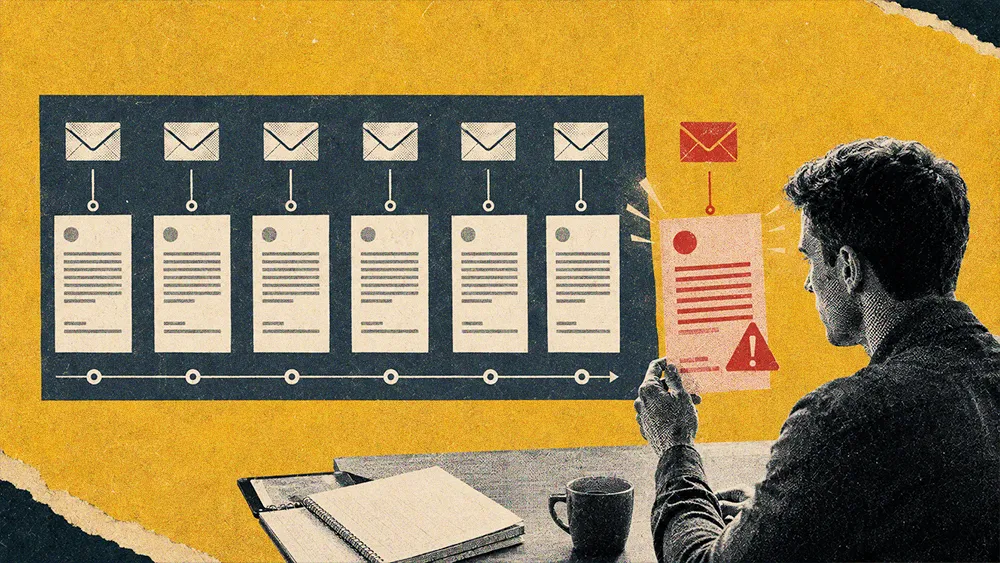
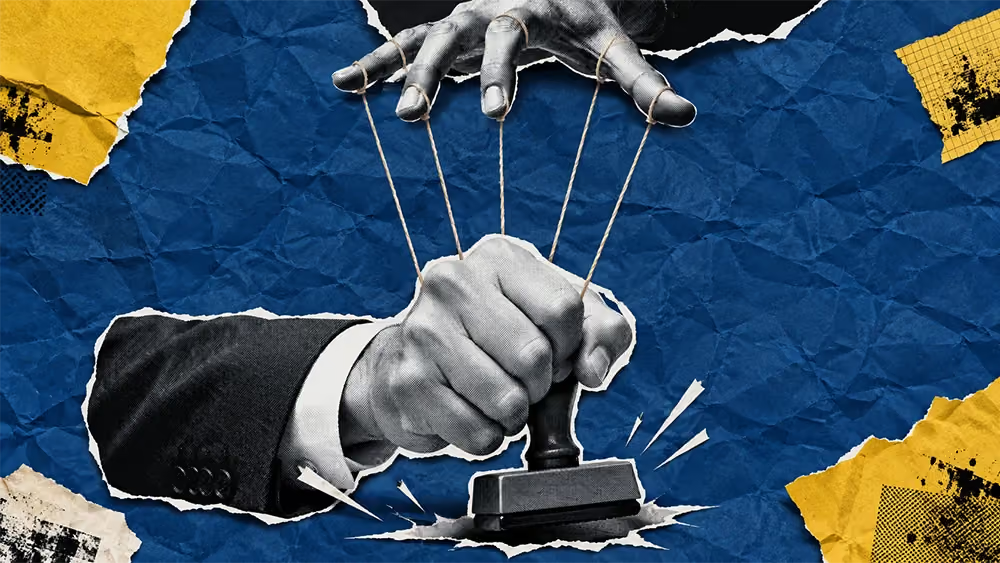
Two equally qualified candidates, one white and one not. A recruiter working alone splits the choice evenly. Give that recruiter an AI tool tuned to prefer the white candidate, and the recruiter prefers him too, up to 90% of the time. The bias begins in the machine and ends in a decision the recruiter believes is their own.
The largest study yet to examine this tests the very assumption the U.S. and EU have written into law: a human reviewer catches what the AI gets wrong.
Human review absorbs the bias it was meant to catch
University of Washington researchers put 528 participants through 1,526 resume-screening scenarios, choosing candidates for 16 jobs that ranged from computer systems analyst to nurse practitioner. The resumes were quality-controlled and equally qualified, with only names and affinity-group signals marking race. When the simulated AI favored one racial group, participants tracked its recommendation almost exactly, up to 90% of the time, whether the bias ran toward white candidates or against them, subtle or severe.
Laziness would be the comfortable explanation. Reviewers rushing the pile, rubber-stamping the machine to get through it. The findings suggest something deeper than simple rubber-stamping: the pattern held even among participants who rated the AI as low quality. Once the algorithm put an answer on the screen, it became the anchor every reviewer measured from, even the ones certain they were deciding for themselves. The recommendation changed what a qualified candidate looked like to them. The human was built in to correct the AI; instead, the AI reshapes the human.
Every regulation leans on the check that just buckled
The assumption appears in every major AI hiring law now taking effect. The EU AI Act classifies hiring AI as high-risk and requires a human who can override the system. New York City's Local Law 144 permits automated screening only alongside an annual bias audit and candidate notice, while California's FEHA regulations hold employers liable for discriminatory outcomes from AI-assisted hiring.
All of them assume the same thing: a person reviewing the AI's recommendation is an effective check on it. The University of Washington experiment tested that premise head-on, and most reviewers agreed with the recommendation instead of correcting it. That assumption matters because it sits at the center of employers' legal defense. If a rejected candidate challenges an AI-assisted hiring decision, "a human made the final call" may carry far less weight once that decision is shown to closely mirror the algorithm's recommendation.
Enforcement is beginning to catch up. Although Local Law 144 has been in effect since July 2023, a December 2025 State Comptroller report criticized the city's enforcement efforts as ineffective, pointing to misrouted complaints and superficial reviews. The enforcing agency publicly committed to tightening oversight after auditors identified 17 potential violations among 32 companies they reviewed.
The organizations adapting audit the machine, not the reviewer
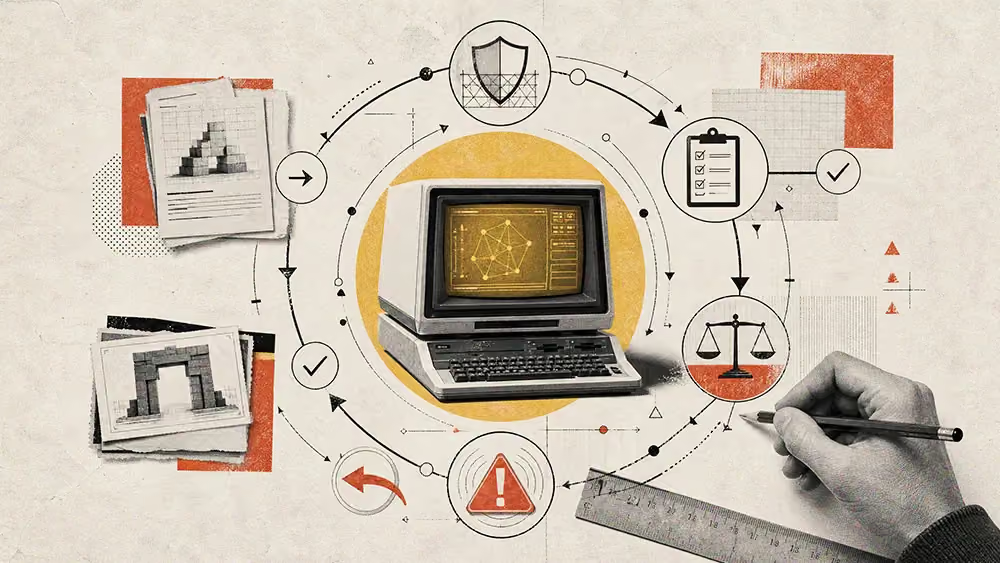
The companies getting ahead treat human review as one layer of oversight rather than the oversight itself. They audit the tool against selection rates by protected group, test it independently of recruiter decisions, and repeat on the schedule the law names.
The UW researchers found one intervention that moved the numbers: participants who took an implicit-association test before screening selected stereotype-incongruent candidates 13% more often. Priming a reviewer to confront their own bias is a start, and it does more than a passive sign-off ever will.
Everyone else runs the review, changes nothing, and files it as proof of care. The machine picks. The human agrees. The file says a person decided. The harder question is whether that decision was ever truly independent.

SiiRA connects US companies with top international talent — end to end, effortless.
SiiRA connects US companies with top international talent — end to end, effortless.
See talent differently.
Get the latest ideas on hiring, leadership, and the future of work.